Most of us look for helpful advice on oral care either from friends or even on the internet. Often, the information found are myths related to dentistry that have no real basis. These misconceptions can often prevent you from following beneficial dental treatment or actively engaging in your oral health.
Therefore, it is important to understand the difference between dental myths and truths to optimize the quality of oral health and overall well-being. Let’s look together at what myths these are.

Tooth loss is genetic:
This is a myth, as tooth loss is largely preventable. It is most commonly caused by dental decay, which can be avoided with proper oral hygiene. By brushing and flossing daily, visiting the dentist regularly, and prioritizing preventive care, you can keep your natural teeth healthy without worrying about the risk of losing them.
All dental treatments are painful:
This is incorrect. Modern technologies, anaesthesia techniques, and the professional training of dentists almost always eliminate discomfort or pain completely.
We only need to make an appointment if our teeth hurt:
“I do not need to go to the dentist because my teeth do not hurt” is another common myth. The initial stages of tooth decay often go unnoticed until they progress and cause pain or complications. Additionally, if you consume alcohol or tobacco or have an unhealthy diet, your teeth are generally more vulnerable. Routine check-ups and paying close attention to your smile are important to avoid discomfort and costly treatments in the future.
Teeth whitening damages teeth:
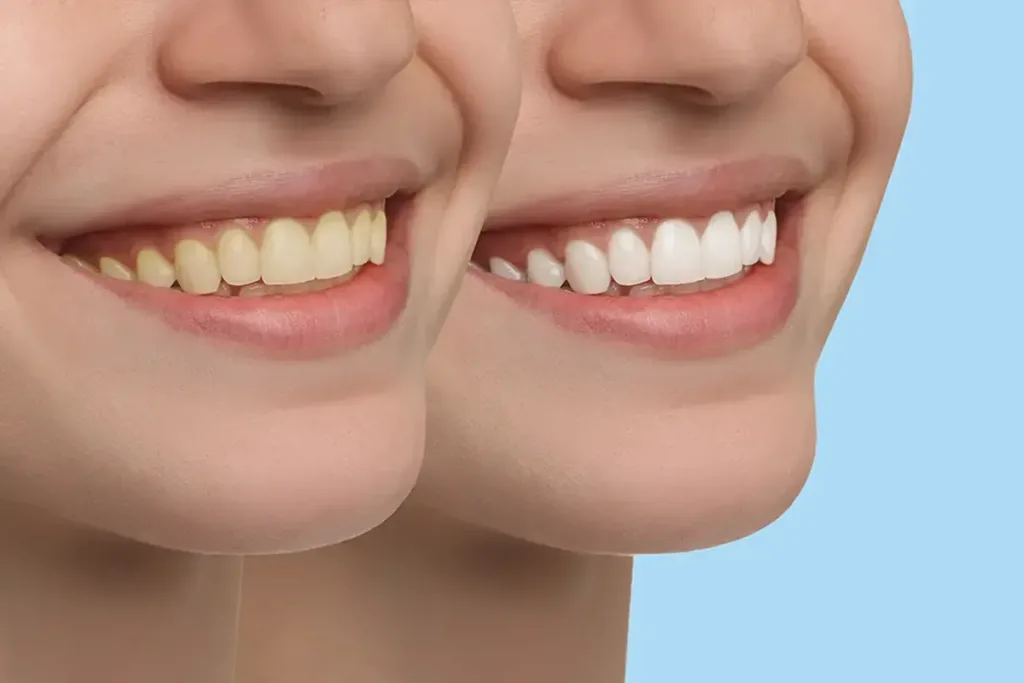
Professional whitening performed by qualified personnel in a dental office is safe and effective; it will not damage your teeth. However, it is important to note that whitening is not recommended for all patients, and some methods used without a doctor’s recommendation can cause tooth sensitivity or gum issues. It is best to choose a professional option only with the approval of your dentist.
Dental X-rays are dangerous:
This is a myth we often hear. However, thanks to new technology, digital X-rays involve exposing only a small part of the body to a tiny dose of ionizing radiation, which does not endanger your health. Dental X-rays are extremely beneficial and do not pose risks; on the contrary, they help us detect changes in hard and soft tissues, making it easier to diagnose conditions such as bone disease, cavities, and even tumours.
Avoid the dentist during pregnancy:
During pregnancy, approximately 50% of women develop gingivitis (the early stage of gum disease). Therefore, it is important to be very vigilant about oral health during this time and not skip routine check-ups and cleanings. Emergencies and certain restorative works are safe during pregnancy, especially in the second trimester. However, cosmetic procedures such as veneers or whitening should be postponed until after the birth of the child.
Braces are only for children and teenagers:
Regardless of the age of the patient, braces are an orthodontic solution for straightening teeth, positioning them correctly on the dental arch, and correcting the bite. While it is true that the maxillary bones are more malleable in children and young adults —which can shorten treatment time—there are new methods and techniques adapted for various cases and severities.
Baby teeth are not permanent, so we do not need to care for them:
This is a total misconception, yet a very common one. Baby teeth play an essential role in the development of permanent teeth, as well as in speech and chewing; therefore, it is important to give them special attention. If a primary tooth falls out too early, other teeth may shift into that space and block the permanent tooth from erupting properly. This can lead to crowding and a misaligned bite. Establishing correct dental habits early on contributes to the proper development of adult teeth.
Crowns and fillings protect your teeth against future problems:
Crowns only protect your teeth to a certain extent. If you have had a restoration but neglect dental hygiene or ignore the instructions of your doctor, other problems can arise. It is vital to brush regularly and floss thoroughly around all teeth, whether they have been restored or not. Regular check-ups are the key to the early detection of potential complications.
It is normal for gums to bleed during brushing or flossing:
Bleeding gums are not normal. If you bleed while brushing or flossing, you are likely suffering from gum inflammation (gingivitis). Gums become inflamed and bleed due to bacteria buildup (plaque), and gingivitis is the first stage of periodontal disease. Treating it in time prevents future complications.
Conclusion
As we can see, myths can stand in the way of maintaining our oral health. It is important to obtain information from reliable sources and, ideally, discuss these topics with your dentist. The Molnar Dental clinic in Sopron, Hungary, is always here for your needs. Do not hesitate to ask us whenever you have doubts about healthy dental habits.