
Dental implants can bring major improvements to a patient’s quality of life. To benefit from this life changing treatment, however, we need to have enough healthy bone to secure the implants.
Book a consultation
When patients experience severe periodontal disease, have faced facial trauma, or had their teeth extracted a long time ago, their jaws might have lost an important part of their structure. This means that, before taking any steps in order to replace the missing teeth, the jaw must first be able to provide support for them. This is obtained through bone augmentation procedures, (or bone graft material addition). To ease anxiety about the operation, our patients sometimes opt for analgosedation during this session (or “sleep dentistry”).
Here are the typical steps of a bone augmentation intervention:
- A local anaesthetic is used to numb the entire working area.
- The surgeon will make an incision in the gum tissue, exposing the bone.
- The surgeon places bone graft material next to the existing bone at the site of the intervention.
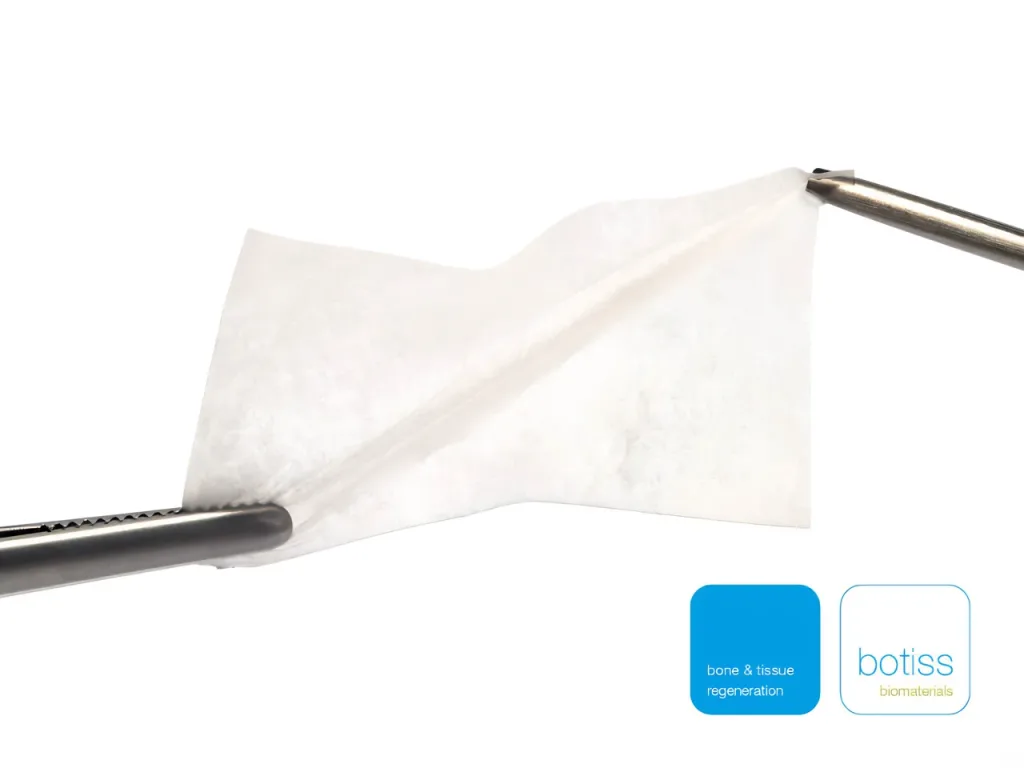
- Sometimes, depending on the case, a special membrane is fixated to protect the augmentation site and help in the healing process.
- The gum tissue is stitched back together with sutures. These will be removed in about 2 weeks, after everything has healed.
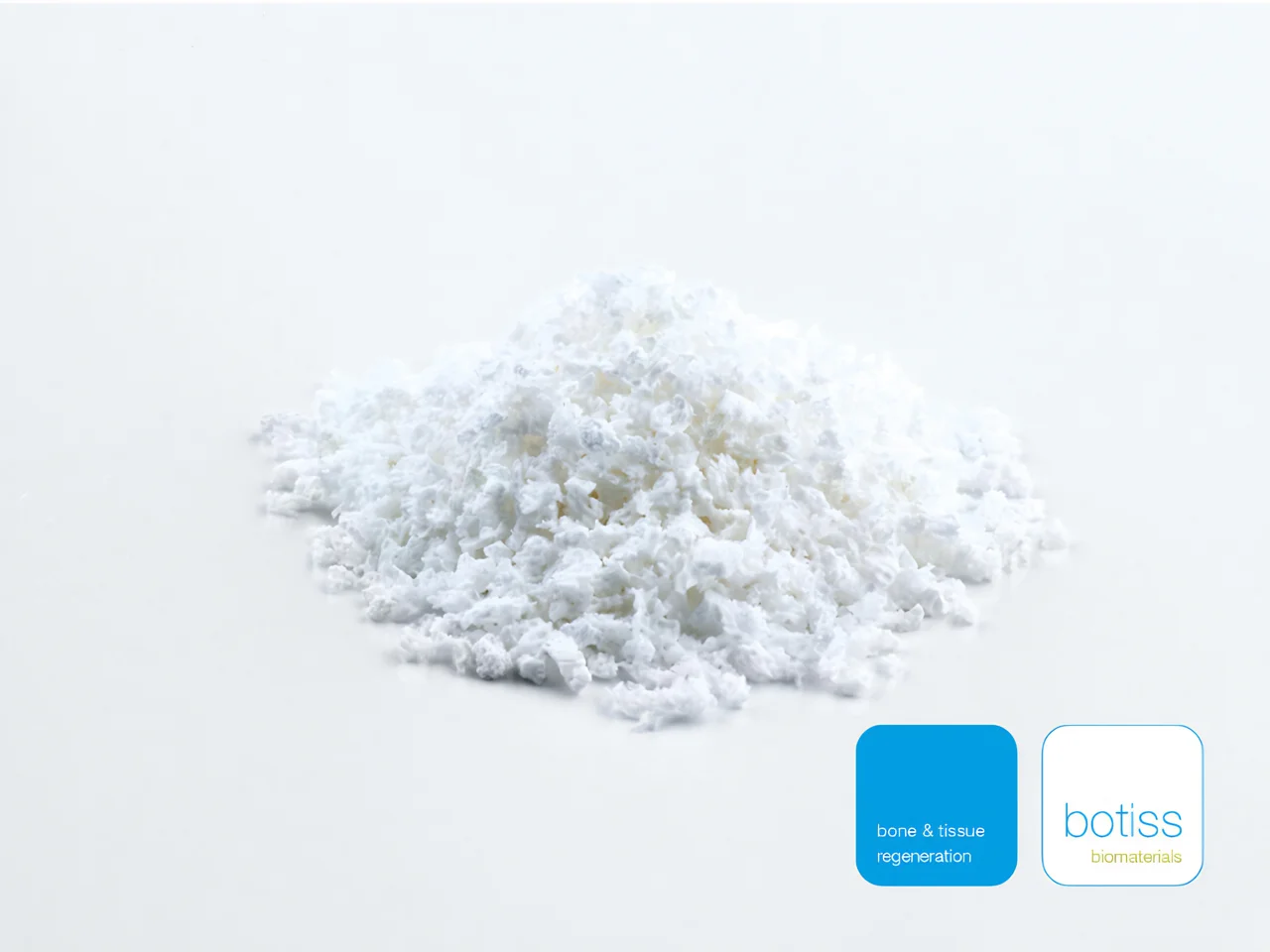
After the procedure, the graft material will encourage new bone growth through several mechanisms, depending on the type of bone-graft. In our clinic we use a high quality, 100% pure natural bone mineral (CERABONE©) that serves as a scaffolding for the regeneration process. It ensures volume stability at the implantation site and this is a crucial factor in planning for the future prosthetic work. We usually prescribe pain medication and/or antibiotics, to help with the healing process and also to prevent infection.
The dental implant can be placed once the bone has fully recovered and it is strong enough to hold it. This can take between 3 and 6 months, depending on the quality of existing bone and the extent of the graft. In some cases the implant placement is possible in the same session.
After a bone augmentation, a certain period of time is necessary for the new bone to grow. During this period, most of our patients opt for a provisional denture, that will help to maintain both the masticatory and phonetic function until the new teeth can be placed.